Literatura Inglesa no ENEM: Obras e Autores que Você Precisa Conhece
NOTÍCIA 8
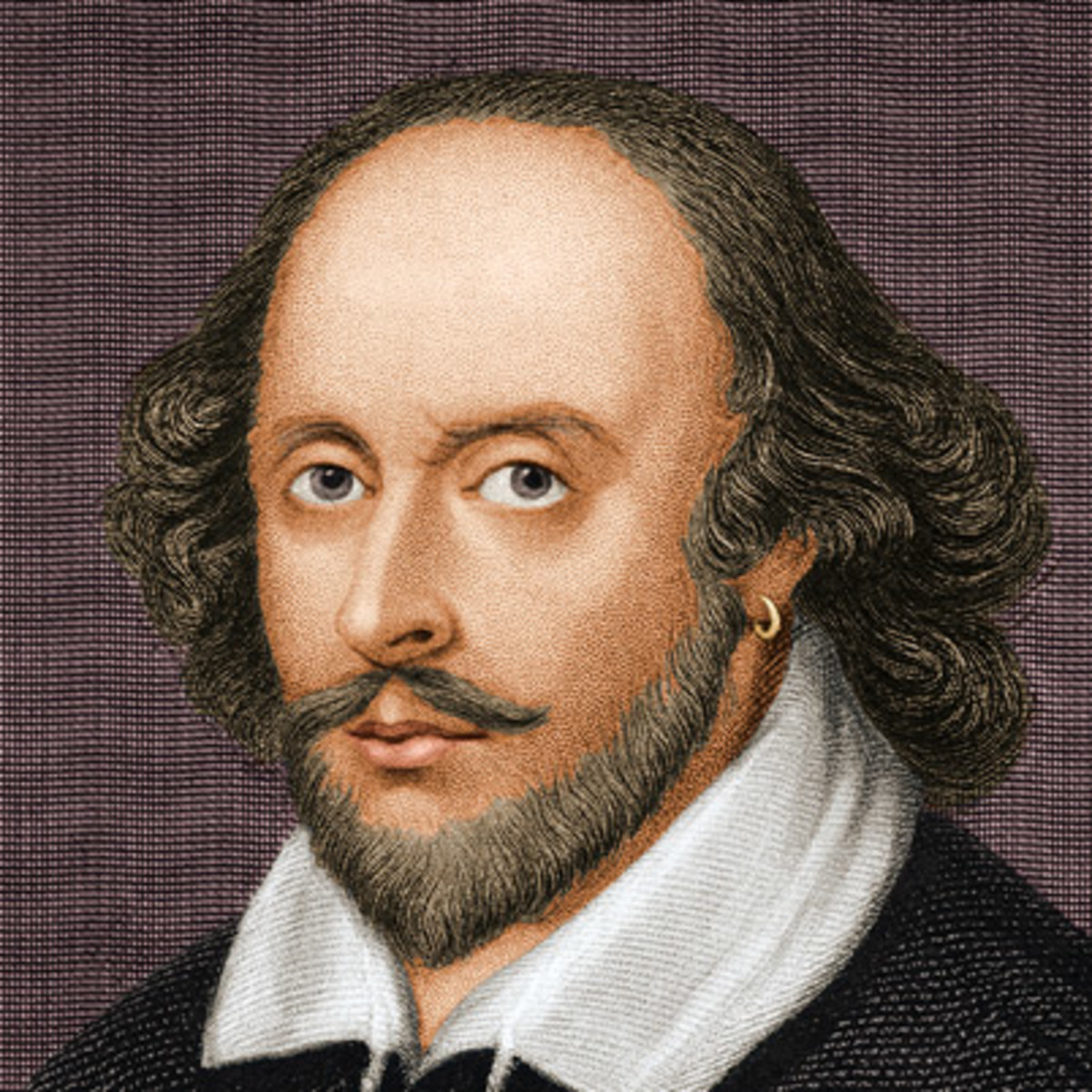
1. William Shakespeare
Hamlete
Hamlet é uma tragédia sobre o Príncipe Hamlet da Dinamarca, que descobre que seu tio Cláudio assassinou seu pai. O fantasma do rei revela a verdade, levando Hamlet a buscar vingança. Temas centrais incluem vingança, corrupção, loucura e mortalidade. O monólogo "Ser ou não ser" é famoso na peça. No final, a maioria dos personagens principais, incluindo Hamlet, morre, resultando em um desfecho sombrio e trágico.
Romeu e Julieta
Romeu e Julieta se apaixonam à primeira vista, mas sua relação é proibida pelas famílias inimigas. Eles se casam em segredo, mas uma série de mal-entendidos leva Romeu a acreditar que Julieta está morta, fazendo-o tomar veneno. Ao despertar e encontrar Romeu morto, Julieta se suicida. A tragédia dos jovens leva as famílias a buscar reconciliação, abordando temas como amor, ódio, destino e as intensas emoções juvenis.
Macbeth
Macbeth narra a trajetória de Macbeth, um nobre escocês, que, influenciado por uma profecia de três bruxas e pela ambição de sua esposa, assassina o rei Duncan para tomar o trono. A culpa e a paranoia dominam Macbeth e Lady Macbeth, levando-a à loucura e ao suicídio. Macbeth se torna um tirano, cometendo mais assassinatos para manter seu poder. Ele enfrenta a rebelião liderada por Macduff, que o mata. Malcolm, filho do rei Duncan, é restaurado ao trono, encerrando a tirania de Macbeth. A peça explora ambição, poder, culpa e o impacto da violência e traição.
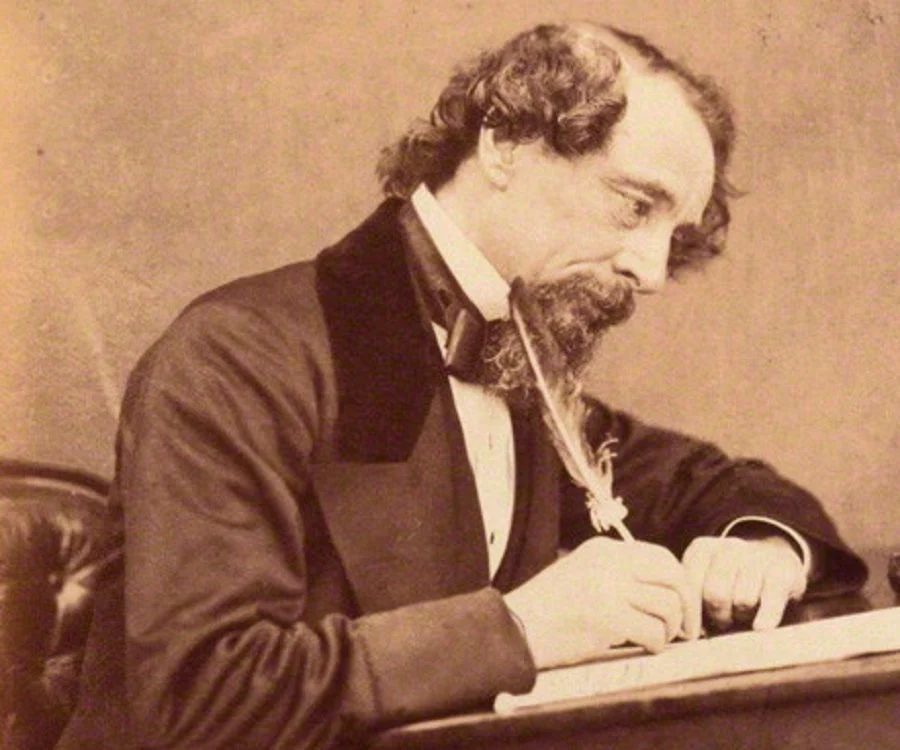
2. Charles Dickens
Oliver Twist
Oliver Twist conta a história de um órfão que, após viver em condições deploráveis em um abrigo, foge para Londres e é acolhido por uma gangue de meninos batedores de carteira liderados por Fagin. Forçado a participar de atividades criminosas, Oliver é resgatado por Mr. Brownlow e descobre suas verdadeiras origens e herança. A obra aborda temas como pobreza, exploração infantil e criminalidade, criticando as condições de vida na Inglaterra vitoriana, enquanto Oliver mantém sua bondade apesar das adversidades.
Grandes Esperanças
Pip é criado por sua irmã severa e Joe Gargery. Ele ajuda o fugitivo Magwitch, sem saber que isso mudará sua vida. Pip se apaixona por Estella, criada por Miss Havisham. Recebendo dinheiro de um benfeitor anônimo, Pip vai a Londres para se tornar cavalheiro. Ele descobre que Magwitch é o benfeitor. Inicialmente rejeitando Magwitch, Pip aprende a valorizar lealdade e bondade sobre riqueza e posição social. O romance aborda ambição, amor, classe social, redenção e identidade.
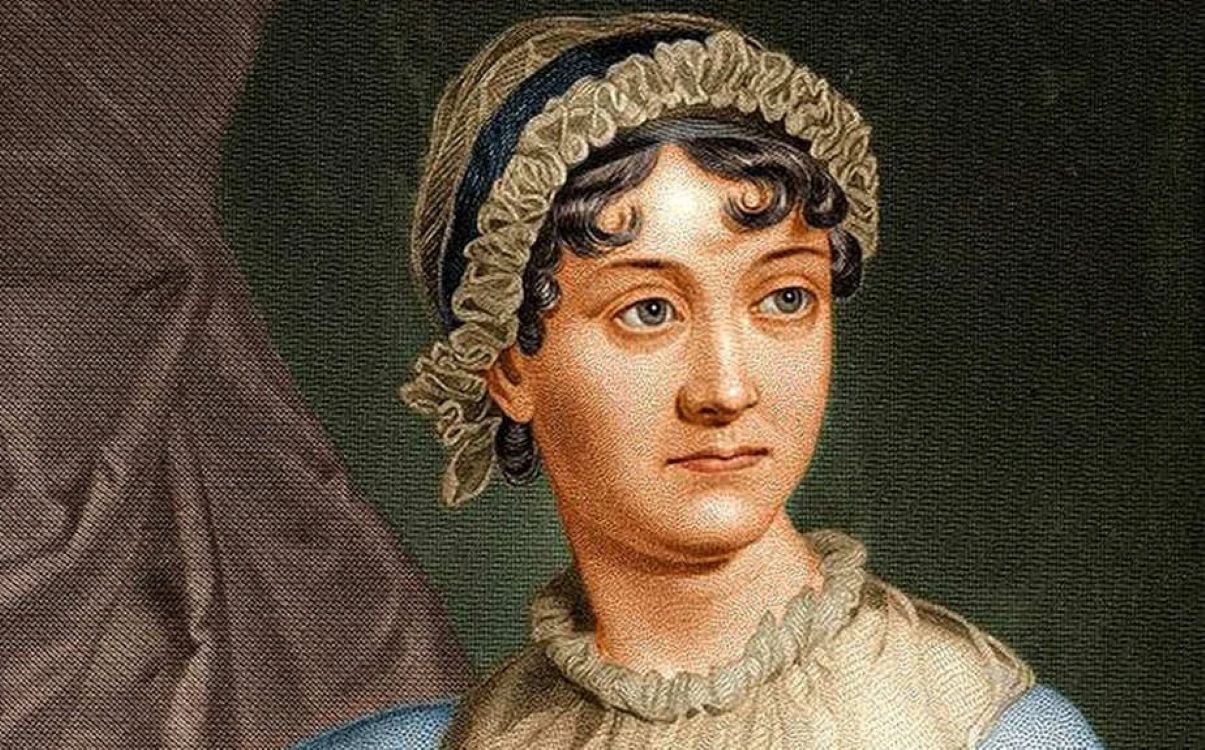
3. Jane Austen
Orgulho e Preconceito
Orgulho e Preconceito segue Elizabeth Bennet e o Sr. Darcy, que se confrontam e desentendem devido a preconceitos mútuos. Elizabeth inicialmente desgosta de Darcy por sua responsabilidade na separação de sua irmã Jane e o Sr. Bingley. No entanto, ambos começam a apreciar o verdadeiro caráter um do outro. No final, superam seus preconceitos e se casam, destacando temas como classe social, orgulho, preconceito e amor. Jane Austen usa humor e crítica social para explorar a necessidade de superar julgamentos precipitados.
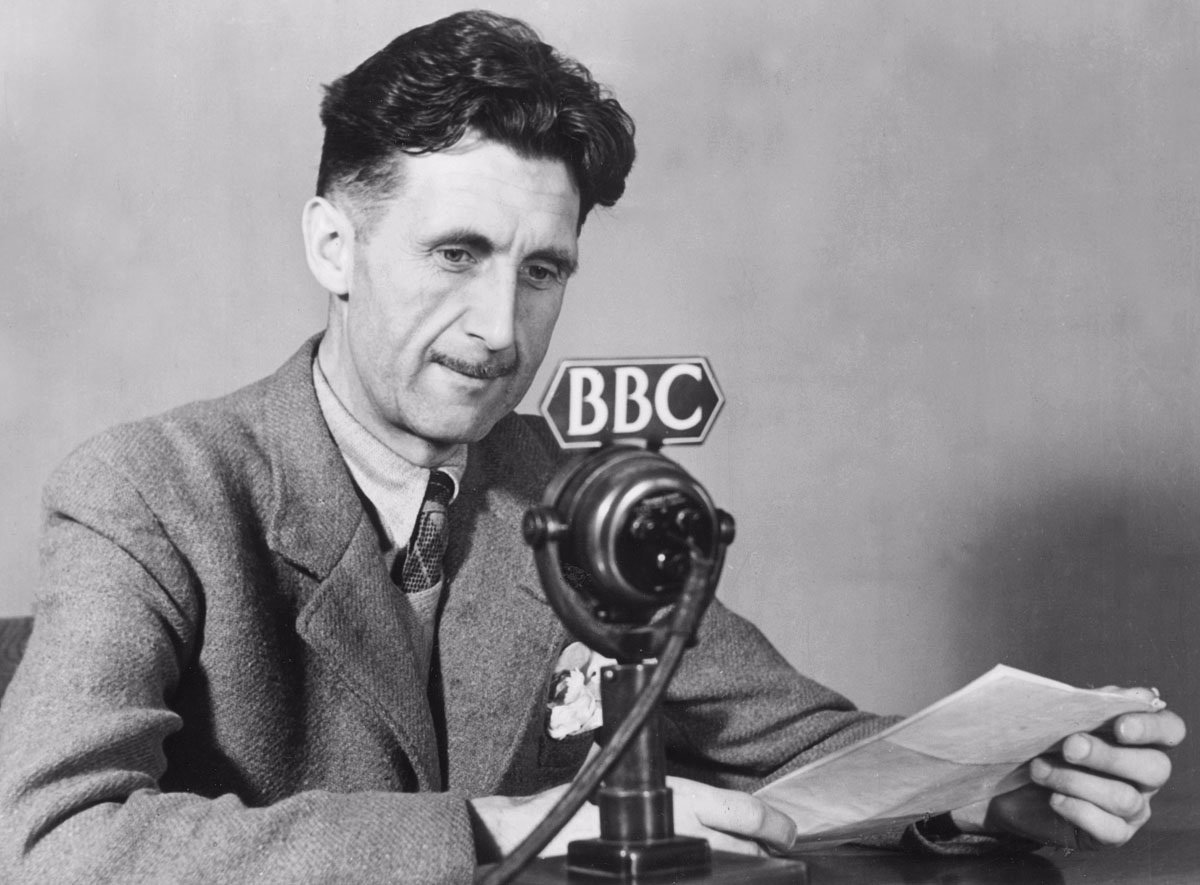
4. George Orwell
1984
"1984" narra a vida de Winston Smith, que trabalha alterando registros históricos no Ministério da Verdade. Ele questiona o regime opressor e inicia um romance proibido com Júlia. Ambos são traídos, capturados e torturados para trair um ao outro. Winston é "reeducado" até amar incondicionalmente o Grande Irmão. A obra aborda vigilância, liberdade, manipulação da informação e o poder destrutivo de regimes totalitários, servindo como um alerta sobre os perigos da tirania.
A Revolução dos Bichos
A Revolução dos Bichos retrata animais de uma fazenda que se revoltam contra a exploração do fazendeiro Sr. Jones. Inicialmente liderados por Napoleão e Bola-de-Neve, os porcos prometem igualdade, mas Napoleão exila Bola-de-Neve e altera os mandamentos para consolidar seu poder. A famosa frase "Todos os animais são iguais, mas alguns animais são mais iguais que outros" destaca a hipocrisia do novo regime. O livro critica regimes totalitários e a corrupção dos ideais revolucionários.
5. Mary Shelley
Frankenstein
Frankenstein narra a história de Victor Frankenstein, um cientista obcecado que cria uma criatura a partir de partes de cadáveres. Ao ser rejeitada devido à sua aparência, a criatura busca vingança, causando tragédias na vida de Victor, incluindo a morte de seus entes queridos. A perseguição de Victor à criatura culmina no Ártico, onde ele morre consumido pelo ódio e arrependimento. O romance aborda temas como ambição, ética científica, responsabilidade e isolamento, questionando a condição humana e as consequências da busca pelo conhecimento.
MATERIAL DE APOIO
https://brasilescola.uol.com.br/literatura/literatura-inglesa.htm
English Literature at ENEM: Works and Authors You Need to Know
NEWS 8
1. William Shakespeare
Hamlet
“Hamlet” is a tragedy written by William Shakespeare, and is one of his best-known plays. The story follows Prince Hamlet of Denmark, who discovers that his father has been murdered by his uncle Claudius. After the king's ghost appears and reveals the truth to Hamlet, the prince decides to avenge his father's death. However, Hamlet struggles with doubts and hesitations throughout the play, which leads to a series of tragic events.
Romeo and Juliet
Romeo and Juliet are seen together at first sight, but their relationship is forbidden by unrelated families. They marry in secret, but a series of misunderstandings leads Romeo to believe that Juliet is dead, either making or taking poison. Upon waking to find Romeo dead, Juliet commits suicide. The tragedy of two young people leads the families to seek reconciliation, addressing themes of love, hate, fate and intense youthful emotions.
Macbeth
Macbeth tells the story of Macbeth, a Scottish nobleman who, influenced by a prophecy of three witches and his wife's ambition, murders King Duncan to seize the throne. Guilt and paranoia overcome Macbeth and Lady Macbeth, driving her to madness and suicide. Macbeth becomes a tyrant, committing more murders to maintain his power. He faces the rebellion led by Macduff, who kills him. Malcolm, King Duncan's son, is restored to the throne, ending Macbeth's tyranny. The play explores ambition, power, guilt and the impact of violence and betrayal.
2. Charles Dickens
Oliver Twist
Oliver Twist tells the story of an orphan who, after living in deplorable conditions in a shelter, runs away to London and is taken in by a gang of pickpocket boys led by Fagin. Forced to participate in criminal activities, Oliver is rescued by Mr. Brownlow and discovers his true origins and heritage. The work addresses themes of poverty, child exploitation and crime, criticizing the living conditions in Victorian England, while Oliver maintains his goodness despite adversity.
Great Expectations
Pip is raised by his strict sister and Joe Gargery. He helps the runaway Magwitch, unaware that this will change his life. Pip falls in love with Estella, who is being held by Miss Havisham. Receiving money from an anonymous benefactor, Pip goes to London to become a gentleman. He discovers that Magwitch is the benefactor. Initially rejecting Magwitch, Pip learns to value loyalty and kindness over wealth and social position. The novel deals with ambition, love, social class, redemption, and identity.
3. Jane Austen
Pride and Prejudice
Pride and Prejudice follows Elizabeth Bennet and Mr. Darcy, who clash and clash over their mutual prejudices. Elizabeth initially dislikes Darcy for his role in the separation of her sister Jane and Mr. Bingley. However, they begin to appreciate each other's true character. Eventually, they overcome their prejudices and marry, highlighting themes of social class, pride, prejudice, and love. Jane Austen uses humor and social commentary to explore the need to overcome hasty judgments.
4. George Orwell
1984
"1984" tells the story of Winston Smith, who works altering historical records at the Ministry of Truth. He questions the oppressive regime and begins a forbidden romance with Julia. Both are betrayed, captured and tortured into betraying each other. Winston is "re-educated" until he loves Big Brother unconditionally. The work addresses surveillance, freedom, manipulation of information and the destructive power of totalitarian regimes, serving as a warning about the dangers of tyranny.
The Animal Revolution
Animal Farm is a story about farm animals who rebel against the exploitation of the farmer Mr. Jones. Initially led by Napoleon and Snowball, the pigs promise equality, but Napoleon exiles Snowball and changes the commandments to consolidate his power. The famous line "All animals are equal, but some animals are more equal than others" highlights the hypocrisy of the new regime. The book criticizes totalitarian regimes and the corruption of revolutionary ideals.
5. Mary Shelley
Frankenstein
Frankenstein tells the story of Victor Frankenstein, an obsessed scientist who creates a creature from corpse parts. After being rejected due to his appearance, the creature seeks revenge, causing tragedies in Victor's life, including the death of his loved ones. Victor's pursuit of the creature culminates in the Arctic, where he dies consumed by hatred and regret. The novel addresses themes such as ambition, scientific ethics, responsibility and isolation, questioning the human condition and the consequences of the search for knowledge.
SUPPORT MATERIAL
https://brasilescola.uol.com.br/literatura/literatura-inglesa.htm